Purchase and rehab funded in one short-term loan, from a veteran team that will tell you straight whether the deal works before you commit.
Pittsburgh homes sold in a median 57 days at a median price of $264,874, Sep 2026.22 Foreclosure in Pennsylvania is judicial.7 Transfer tax in Pennsylvania: 1%.8 Academy Fund funds up to 90–95% of the purchase and rehab, with no prepayment penalty.1
Purchase plus renovation in one loan, with interest-only payment options
Draws and documents managed so your contractor isn't left waiting
An exit planned from day one: sell, or refinance into a 30-year DSCR loan
Median gross rent$1,221347.4% of renters cost-burdened
Q1Are Pittsburgh homes expensive?
No. The median Pittsburgh home sold for $264,874 in the three months to Sep 2026, lower than 195 of the other 229 cities with sales data.2 Owners value the median Pittsburgh home at $193,200 in Census surveys.3
Median sale price$264,874
$99,952 lowest$1,884,103 highest
Q2How fast do Pittsburgh homes sell?
Slowly. Homes took a median 57 days to sell in the three months to Sep 2026, faster than 49 of the other 229 cities with sales data.2 They closed at 96.1% of the list price, so the typical home sold below its asking price.2
Days on market57 days
Sale to list96.1%
Building and growth
What is being built in Pittsburgh
Q3What is being built in Pittsburgh?
Mostly apartments. Of 2,134 units permitted in Pittsburgh in 2025, 6% were in buildings of one to four units.13 Across Pennsylvania the share was 66%.13
4% local on top of the state's 1% (5% in all): City of Pittsburgh 3% and Pittsburgh School District 1%; the City code makes the party accepting the deed liable for the City's tax11
Researched Oct 27, 2026
A sale in Pittsburgh pays 5% of the value in realty transfer tax at recording, collected in one check by the Allegheny County Department of Real Estate: the state's 1%, the City's 1% under Chapter 255 and 2% home rule tax under Chapter 256 (raised from 1.5% on January 1, 2020, applied to residential deeds recorded from February 1, 2020), and the Pittsburgh School District's 1%; the City chapters make the person who accepts delivery of the deed liable (§§ 255.02(b), 256.02(b)), the County levies no transfer tax of its own, and a City parcel in the Baldwin-Whitehall School District pays ½% to that district instead of 1%.
Source 11 · Allegheny County Department of Real Estate
The Allegheny County Division of Real Estate's standard recording fee from January 1, 2026, with $10 for each certified parcel over 30 and $5 for each indexed name over 30; it is paid separately from the transfer tax, by money order or business check (no personal checks or cards).
Source 12 · Allegheny County Division of Real Estate
Builders in Pittsburgh are active; permitted units are a read on land and labor competition.
Fix and Flip loans, explained
Same terms and underwriting in Pittsburgh as everywhere we lend.
Guides
Questions
Questions about hard money loans to fix and flip in Pittsburgh
01
What transfer taxes apply when I buy or sell in Pittsburgh?
$200 to record a deed or a mortgage. The Allegheny County Division of Real Estate's standard recording fee from January 1, 2026, with $10 for each certified parcel over 30 and $5 for each indexed name over 30; it is paid separately from the transfer tax, by money order or business check (no personal checks or cards).12
02
How fast do homes sell in Pittsburgh?
Homes in Pittsburgh sold in a median 57 days, Sep 2026.2 They sold at 96.1% of list price.2 The median sale price was $264,874.2
03
Can I close a fix and flip loan in Pittsburgh in my LLC?
Yes. Academy Fund makes business-purpose loans to entities only, so the borrower is your LLC or other entity.9
04
Do I need to be a veteran to borrow in Pittsburgh?
No. Academy Fund was founded and is run by military veterans, and you do not need to have served to borrow.14
Have a deal in Pittsburgh?
Send it over, we'll take a look and give you quick feedback. A pre-qualification is not a commitment to lend.
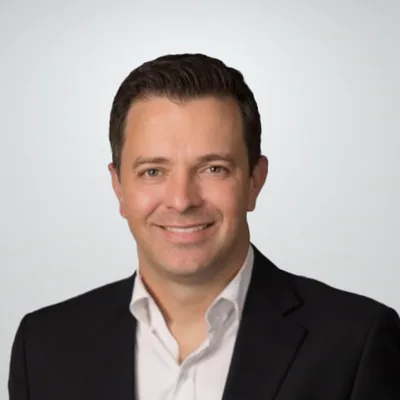
Jason Hutton · Managing Director · West Point '9520+ years in private lending6
 Intelligence. Integrity. Grit.